
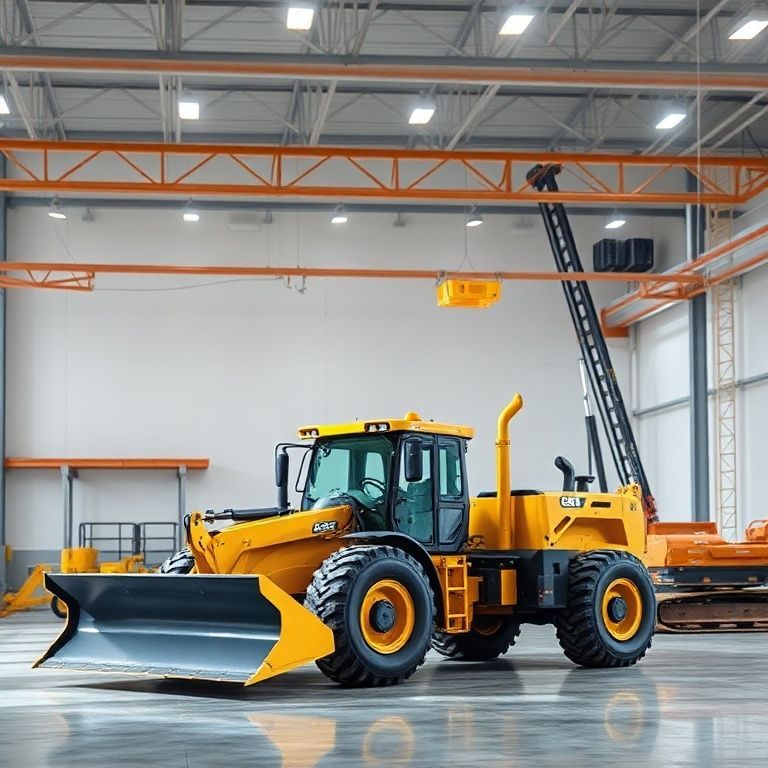
In the ever-evolving landscape of the construction industry, making informed decisions on equipment acquisition — be it rental or purchase — plays a crucial role in maximising profitability. This article aims to provide an in-depth analysis of construction equipment cost comparisons, focusing on the Australian market and its unique demands. Additionally, we’ll delve into smart building integration, offering practical strategies to reduce energy costs and enhance sustainability.
- Construction Equipment: Rental vs Purchase Decisions
- Leveraging Smart Building Integration for Energy Efficiency
- Conclusion
- Call to Action
- Streamlining Storage Facility Construction: How Construction Software Benefits Australian Commercial...
- How to Choose the Best Construction Management Software for Your Building Company
- Mastering Construction Software Selection: Boost Customer Satisfaction for Masonry Contractors in Br...
- Aussie Construction Overhead: Cost Control Guide
- Mastering Site Preparation and Temporary Works Cost Estimation for Home Theater Projects in Kingsbur...
- Streamlining Construction Procurement: Digital Construction Platforms for Australian Sports Facility...
- Streamline Construction Change Orders: Aussie Solar Farm Solutions
- Aussie Construction Software: Boosting Tiny Home & Federal Projects
Construction Equipment: Rental vs Purchase Decisions
Understanding the Cost Implications
The decision to rent or purchase construction equipment depends on various factors such as project duration, equipment usage frequency, and cost efficiency. Let’s examine the key considerations for each option.
Equipment Rental
- – Reduced upfront costs and maintenance expenses
- – Flexibility to upgrade equipment and adapt to project needs
- – No depreciation or resale value concerns
Equipment Purchase
- – Lower long-term costs for frequent and extended-duration projects
- – Potential for higher resale value
- – Opportunity to customise equipment for specific projects
Comparing Costs: A Case Study
To help illustrate the differences, let’s compare the costs of purchasing vs renting an excavator for a hypothetical construction project in Kelmscott.
| Item | Rental | Purchase |
| — | — | — |
|---|---|---|
| Maintenance Cost | $500/month | $1,000/year |
| Operating Cost | $1,500/day | $1,500/day |
| Depreciation | $0 | $33,333/year |
| Resale Value | N/A | $100,000 after 5 years |
| Equipment Cost | $0 | $200,000 | | Maintenance Cost | $500/month | $1,000/year | | Operating Cost | $1,500/day | $1,500/day | | Depreciation | $0 | $33,333/year | | Resale Value | N/A | $100,000 after 5 years |
In this example, purchasing the excavator may seem more cost-effective for extended projects; however, rental offers greater flexibility and minimises upfront expenses for short-term projects.
Leveraging Smart Building Integration for Energy Efficiency
The Role of Trade Platforms
Trade platforms, such as those used in the high-end kitchen and bathroom renovation industry, can facilitate smart building integration, offering numerous benefits:
- – Real-time energy consumption monitoring
- – Automated energy-saving features
- – Integrated lighting and climate control systems
Embracing the Future of Sustainable Construction
By adopting smart building integration, railway and transport infrastructure contractors can reduce energy costs, achieve greater sustainability, and contribute to a greener future for Australia.
Conclusion
empower construction companies to make informed decisions regarding equipment acquisition and implement smart building strategies for energy efficiency. By leveraging trade platforms and embracing technological advancements, Australian railway and transport infrastructure contractors can remain competitive and future-proof their businesses.
Call to Action
Join us in exploring the benefits of smart building integration and optimising construction costs for your next project. Start your journey today by partnering with a trusted trade platform provider in Kelmscott.
These articles are drafted with AI assistance and should be considered general information not professional advice or information. Learn More